
 0
0
 0
0
b.1864-d.1908
Birth
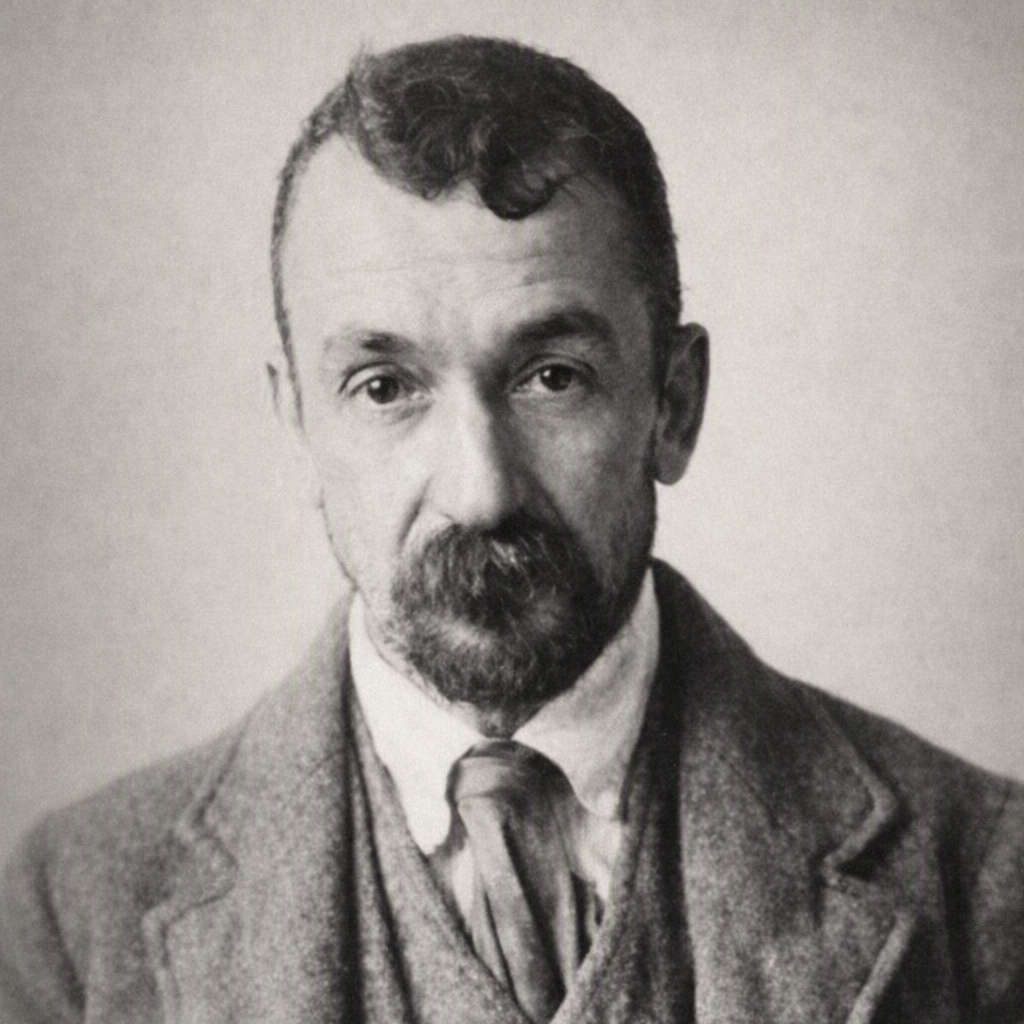
Harry Turner was born in 1864 in the rural village of Belchamp Walter, near Sudbury in Suffolk. He was one of eight children born to Thomas Turner, an agricultural labourer, and his wife Ann Taylor.
Army days
By the time of the 1881 Census, Harry was working as an “ag lab”, and during the early 1880s he served as a part-time soldier in the local militia (3rd Suffolk). In 1886 he decided to join the regular army. He volunteered for the Essex Regiment. He was 22 years old but on attestation he declared his age as just 18. His signature suggests that he may have had some difficulty with reading and writing.
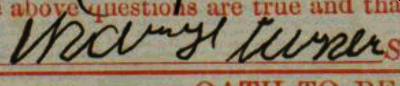
After seven years with the army, during which time he served in Malta and Cyprus, Harry was transferred to the Reserve in 1893, effectively returning him to civilian life. His battalion commander noted that his habits were temperate and his conduct good.
A family of his own
Harry found work as a casual labourer in London and was finally discharged from the army in 1898. Around that time, he formed a relationship with Florence Tubb. Harry and Florence never married, but they lived together until Harry was admitted to Horton asylum in 1908. They had four children:
Henry (“Harry”) born 1898 in Fulham
Benjamin born 1900 in Woolwich
Violet born Dec 1902 in Woolwich
George born 31 Dec 1905 in Woolwich
Times were sometimes hard. The family spent a night in Plumstead workhouse in May 1902. When Florence was taken ill in May 1903 she brought her three children with her to the workhouse infirmary.
Insanity, and death
When Harry started acting strangely in May 1908, Florence thought the cause might be insufficient food, and worry about being out of work. He was taken to the infirmary at Plumstead where he was judged to be of unsound mind, and an order was made for him to be admitted to Horton asylum.
“He is quite incoherent, excitable, and restless. He has delusions of fear and persecution. He believes there are men in the bathroom waiting to kill him”
In fact, Harry was suffering from the effects of late-stage syphilitic infection, known as “general paralysis of the insane”. He admitted to the medical team at Horton that he had been treated for syphilis at the age of 20.
Dr Samuel Elgee wrote:
“There is some clouding of consciousness & he cannot orientate as to time or place. He shows some mental confusion & his powers of associating ideas, reasoning, powers of memory for all events are impaired. He is rambling & disconnected in conversation & is poorly educated. There are signs of mental enfeeblement. He has Auditory Hallucinations – hearing people continually talking to him & calling him & telling him he has not long to live. He does not appear to have Hallucinations of any of the other senses. He believes he is going to be killed & says he knows people are waiting about for him, but can assign no cause why he should be injured. This idea is based on his Auditory Hallucinations. There is little or no psycho-motor disturbance. His attention cannot be fixed; he wanders from the point at once. He attends to himself. Alcoholic habits in excess. Has been a soldier.”
After his admission to the asylum, Harry’s physical condition quickly deteriorated and he died there on 17 July 1908. He was buried at Horton in plot 179b on 27 July.
What became of his family?
Harry’s widow Florence found work as a charwoman; she reverted to her birth name (Tubb) and was in and out of the workhouse at times, often with young George. In 1917 she married William James Rogers in Chelsea. Rogers died in 1920 and Florence formed a relationship with Albert Spencer: they lived together in Upcerne Road in Chelsea and eventually married in 1937.
We have no information on the eldest son Henry. Benjamin was an inmate of the Barnes Home Industrial School in Manchester in 1911; Violet was an inmate of the Halstead Industrial School for Girls in Essex; while George was an inmate of the Poor Law school in Hanwell. In the 1921 census, George (a butcher’s lad) was with his mother and Albert Spencer in Chelsea.
Copyright
If you use the published stories, partly or completely, written by volunteers of the Friends of Horton Cemetery charity (Reg. No. 1190518), please acknowledge the volunteer who wrote the story by name, acknowledge the Friends of Horton Cemetery expressly and its registration number, and include this link to the STORIES section of the website https://hortoncemetery.org/the…/horton-cemetery-stories/
Donate
Occasionally, people ask how they might financially contribute to our charity. There is a Donate link at the foot of each page of the website. All donations will be directed towards continuing efforts to restore and ultimately maintain Horton Cemetery. We thank you for your support.